Best Seasons for Mice Removal

Mice tend to seek shelter indoors as temperatures drop, increasing the likelihood of infestations during autumn.
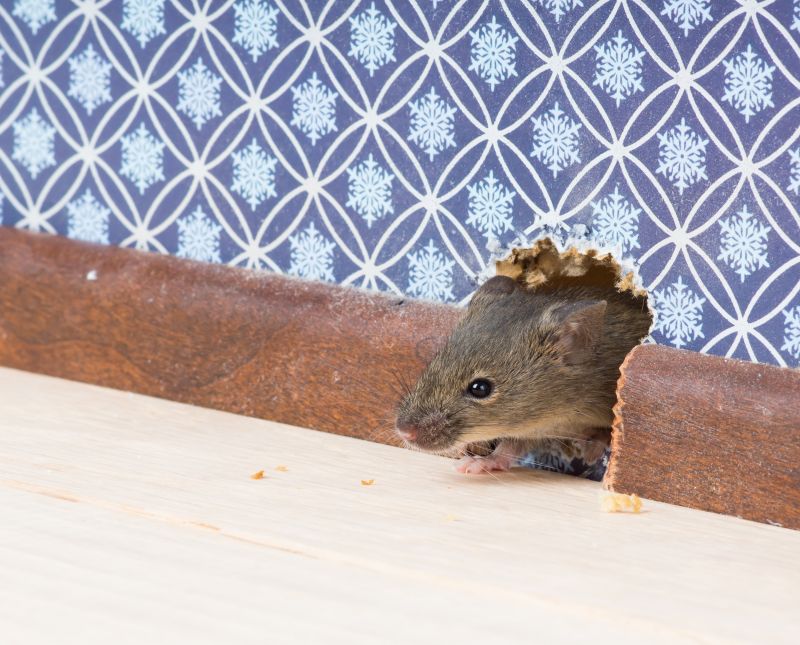
Spring often sees increased mice activity as they search for nesting sites after winter, making it a critical time for removal.

While less active outdoors, mice may invade buildings to escape the cold, requiring attention during colder months.

Ways to make Mice Removals work in tight or awkward layouts.

Popular materials for Mice Removals and why they hold up over time.

Simple add-ons that improve Mice Removals without blowing the budget.

High-end options that actually feel worth it for Mice Removals.

Finishes and colors that play nicely with Mice Removals.
Mice infestations can occur at any time of year, but certain seasons see increased activity that warrants proactive removal. Understanding the seasonal patterns helps in planning effective control measures. During autumn and spring, the migration and nesting behaviors of mice make these periods especially critical for intervention. In colder months, mice seek warm indoor environments, often leading to increased sightings and potential damage.
Statistics indicate that pest control efforts peak during fall and spring, aligning with mice behavioral patterns. Proper timing of removals can reduce the risk of extensive damage, contamination, and health concerns associated with rodent infestations. Early detection and seasonal planning are essential components of effective mice management strategies.
Mice are more active indoors during cold weather, seeking warmth and food sources.
Droppings, gnaw marks, and nesting materials are common indicators of mice presence.
Sealing entry points and removing food sources can help reduce the risk of infestations year-round.
Early intervention during peak activity periods can prevent larger infestations.
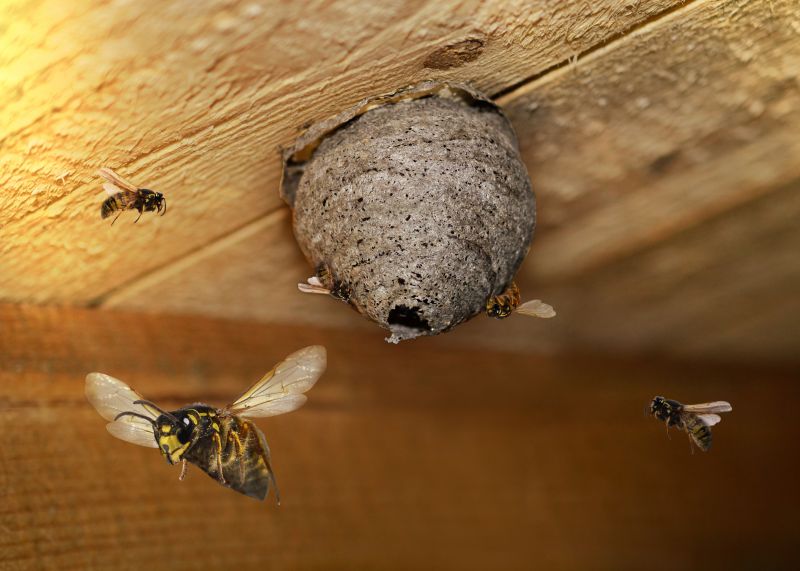
Nesting materials like shredded paper and fabric are often found near infested areas.

Droppings and gnaw marks are visible clues of mice presence.

Blocking access points is crucial to prevent future invasions.
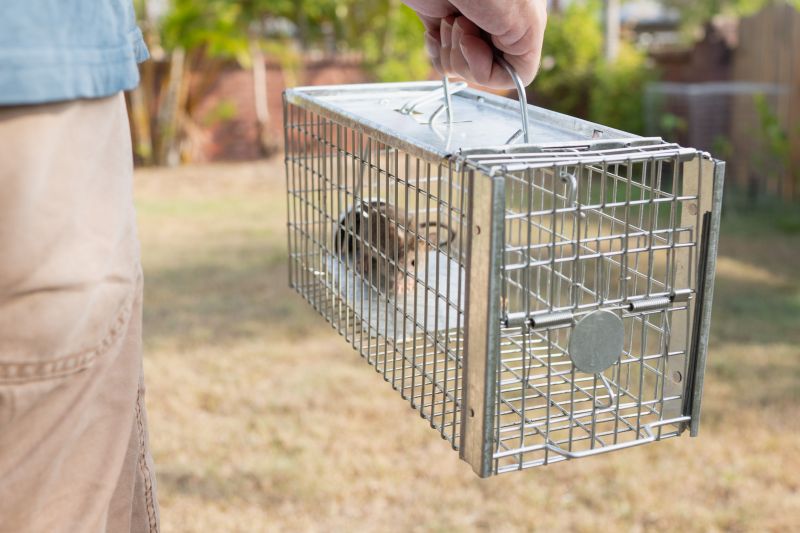
Effective trapping methods help control active populations.

Little measurements that prevent headaches on Mice Removals day.

A 60-second routine that keeps Mice Removals looking new.

A frequent mistake in Mice Removals and how to dodge it.

Small tweaks to make Mice Removals safer and easier to use.
| Season | Mice Activity Level |
|---|---|
| Spring | Increasing |
| Summer | Moderate |
| Fall | High |
| Winter | Variable |
Effective mice removal depends on understanding seasonal behaviors. Implementing control measures during high activity periods can significantly reduce the risk of infestation. Regular inspections, prompt action, and preventative steps are key to maintaining rodent-free environments throughout the year.

Installing door sweeps and sealing cracks help block entry points.

Unusual noises and chewed wiring can indicate mice presence.
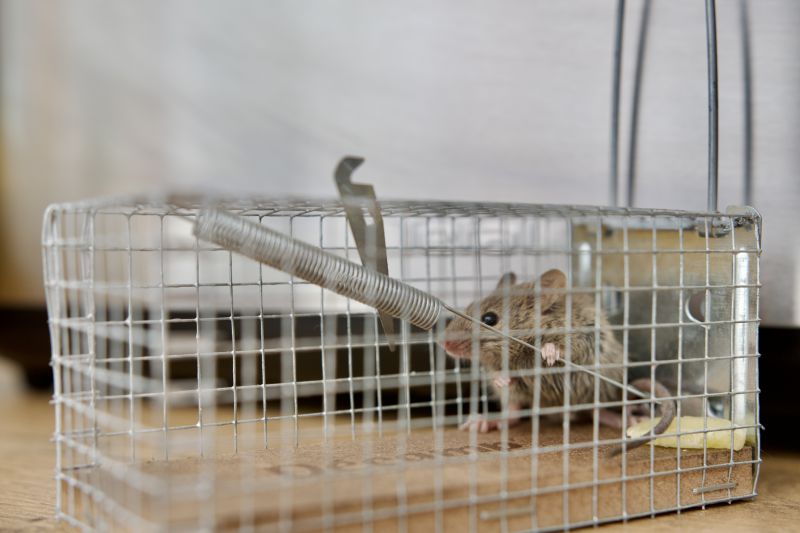
Traps and bait stations are commonly used for mice control.

Checking for signs of re-infestation ensures long-term success.

Lower-waste or water-saving choices for Mice Removals.

The short, realistic tool list for quality Mice Removals.

Rough timing from prep to clean-up for Mice Removals.

Quick checks and paperwork to keep after Mice Removals.
For those concerned about mice activity, early detection and timely removal are essential. Properly sealing entry points, maintaining cleanliness, and utilizing effective trapping methods can help prevent future invasions. Regular inspections during peak seasons support ongoing rodent management efforts.
Interested in professional mice removal services? Filling out the contact form can provide more information and assist in planning effective control strategies tailored to specific needs.