Mouse vs. Rat Infestations: How to Identify the Problem and Stop the Damage
People searching for mice infestation removal aim to eliminate pests and prevent damage, and local service providers can effectively identify the problem and handle the cleanup.
Understanding the differences between mouse and rat infestations is essential for property owners dealing with unwanted rodent visitors. Recognizing the signs of each can help determine the severity of the problem and guide effective solutions. Whether it’s identifying small droppings, gnaw marks, or unusual noises, knowing what to look for can prevent minor issues from escalating into major damage. Property owners in the area often find that addressing these problems early on is crucial to minimizing structural damage, preventing contamination, and avoiding health risks associated with rodent infestations.
For those concerned about rodent activity, connecting with experienced service providers can make a significant difference. Local contractors specializing in mice infestation removal have the tools and expertise to accurately identify the type of rodent problem and implement targeted strategies to stop the damage. Exploring options for professional assistance ensures that the infestation is handled thoroughly and efficiently, giving property owners peace of mind and a healthier living or working environment. Keep reading to learn practical tips on identifying the problem and discovering how local experts can help restore safety and comfort.
- Mouse infestation removal services are essential when homeowners notice small droppings or gnaw marks indicating mice presence and local contractors can identify entry points to eliminate the problem.
- Rat infestation removal is needed when larger droppings, gnawing damage, or sightings suggest rats, with local service providers implementing targeted exclusion and removal strategies.
- Identifying mouse vs. rat infestations involves assessing size and behavior signs, and local pros can help determine the species to tailor effective removal and prevention methods.
- Stopping damage caused by rodents requires prompt removal and sealing of entry points, which local contractors can perform to prevent future infestations.
- Professional pest removal services assist in diagnosing the severity of mouse or rat problems and applying appropriate solutions to protect property from ongoing damage.


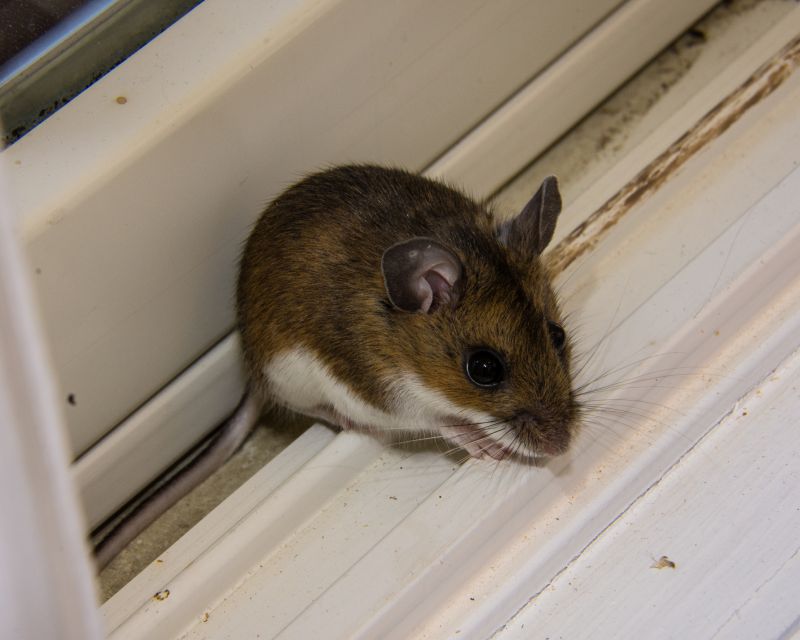
When people search for mouse vs. rat infestations: how to identify the problem and stop the damage, they are usually trying to understand the differences between these common pests and how to recognize their presence early. Mice and rats can cause significant issues in homes and properties, ranging from structural damage to contamination of food supplies. Homeowners often seek guidance on distinguishing between the two, as each may require different approaches to removal and prevention. This type of search typically relates to ongoing pest control plans, damage control strategies, or early detection efforts to avoid more costly repairs down the line.
The problems associated with mouse and rat infestations are often urgent concerns for property owners. Mice tend to be smaller, with slender bodies and pointed noses, and they are known for squeezing through tiny openings. Rats are generally larger, with robust bodies and longer tails, and they tend to cause more substantial damage due to their size and gnawing habits. Both pests can chew through wiring, insulation, and wood, creating fire hazards and structural vulnerabilities. Property owners may also be worried about health risks, such as the spread of disease or contamination of food storage areas. Developing a plan to stop the damage involves identifying the type of rodent, locating entry points, and implementing targeted removal methods.
The types of properties most affected by mouse and rat infestations include residential homes, especially older houses with gaps and cracks, as well as commercial buildings, warehouses, and storage facilities where food or supplies are stored. Attics, basements, garages, and crawl spaces are common nesting sites for mice, while rats often inhabit wall voids, sewer lines, and outdoor structures like sheds or fences. Urban environments with dense housing and limited natural predators tend to see higher incidences of rodent problems. Understanding the property type helps in choosing the appropriate strategies for detection and removal, which local service providers can assist with through inspections and tailored pest management plans.
Addressing mouse vs. rat infestations requires a clear understanding of the specific problem and the right approach to prevent ongoing damage. Local contractors specializing in rodent removal are equipped to identify signs of infestation, such as droppings, gnaw marks, or nesting materials, and to recommend effective solutions. They can help property owners develop integrated plans that include sealing entry points, setting traps, or using bait stations to eliminate the pests. Connecting with experienced service providers ensures that the infestation is managed efficiently and that the property is protected from future issues. Proper identification and targeted action are essential steps in stopping the damage caused by these common pests.
Wildlife trapping and removal - professionals skilled in trapping rodents can address mouse and rat infestations, helping to identify entry points and prevent further damage.
Pest inspection and exclusion - local contractors focus on identifying signs of rodent activity and sealing entry points to stop infestations at the source.
Property damage repair - specialists who repair and reinforce structures can help restore damage caused by rodents and prevent future issues.
Rodent-proofing services - experts in securing buildings against rodent entry are essential for stopping ongoing mouse and rat problems.
Sanitation and cleanup - service providers can safely remove rodent droppings and nesting materials, reducing health risks and deterring pests.
Structural pest control planning - local contractors develop integrated plans to identify, treat, and prevent rodent infestations effectively.

When evaluating contractors for mouse versus rat infestations, experience with similar projects is a key factor to consider. Homeowners should inquire about the types of pest issues local contractors have handled in the past, especially those involving mice and rats. An experienced service provider will have a clear understanding of the behaviors, nesting habits, and signs of each pest, which can influence the effectiveness of removal strategies. Contractors with a history of successfully managing these specific infestations are more likely to identify the root causes quickly and implement appropriate solutions to stop the damage caused by rodent activity.
Clear written expectations are essential when comparing local pest control providers. Homeowners should seek detailed information about the scope of work, the methods used, and the steps involved in the removal process. This transparency helps ensure that both parties are aligned on what to expect, reducing misunderstandings and ensuring that the service will address the specific issues related to mouse versus rat infestations. A reputable contractor will be able to outline their approach in writing, including any follow-up measures or recommendations to prevent future problems.
Reputable references and good communication are vital indicators of a reliable service provider. Homeowners can ask for references from previous clients who experienced similar infestations, providing insight into the contractor’s ability to deliver results and handle challenges effectively. Additionally, a contractor who communicates clearly and promptly can help homeowners understand the problem, the proposed solution, and any necessary follow-up actions. This level of professionalism and transparency ensures that the process of selecting a pest removal service is informed and confident, leading to a better overall experience when addressing mouse or rat issues.
Property owners often search for mouse vs. rat infestations: how to identify the problem and stop the damage when they are planning practical projects around their homes and businesses. Local pros provide Mice Infestation Removal services for everyday jobs and straightforward project options.


Homeowners and property managers often find themselves searching for information on mouse vs. rat infestations to better understand the signs of an invasion and prevent further damage. Common indicators include gnaw marks, droppings, and unusual noises in walls or ceilings, which can signal the presence of these rodents. Recognizing these early warning signs can help prevent structural damage, contamination, and health concerns. When such issues arise, it’s advisable to seek out local contractors who specialize in rodent removal services, as they can provide effective solutions tailored to the specific type of infestation.
Engaging with experienced local service providers can make a significant difference in resolving mouse or rat problems efficiently. These professionals have the knowledge and tools to identify the extent of the infestation and implement targeted removal strategies. Property owners considering rodent removal services often look for reliable local contractors to ensure the problem is addressed thoroughly and to minimize ongoing damage. Connecting with local experts can help restore safety and peace of mind, preventing future issues and safeguarding the property’s integrity.
How can I tell if I have a mouse or rat infestation? Signs such as droppings, gnaw marks, and nesting materials can indicate a rodent problem. Mice tend to leave smaller droppings and prefer hidden areas, while rats often leave larger droppings and may be seen more openly. Local contractors can help identify the specific pest and assess the severity of the infestation.
What damage do mice and rats typically cause in homes? Rodents can damage wiring, insulation, and stored items through gnawing. They may also contaminate food supplies and leave behind unpleasant odors. Professional removal services can help stop further damage and eliminate the pests effectively.
Are there differences in how mice and rats are removed? Yes, removal methods can vary; mice often require sealing entry points and trapping, while rat control might involve larger traps and more extensive exclusion measures. Local service providers can recommend the most effective approach based on the infestation type.
How do I prevent future mouse or rat infestations? Sealing gaps, removing food sources, and maintaining cleanliness are key steps. Professional pest control services can also implement ongoing exclusion strategies to keep rodents out long-term.
When should I consider professional rodent removal services? If you notice signs of infestation or ongoing damage, it’s advisable to seek help from local contractors. They can accurately identify the problem and provide effective removal solutions to stop the damage.
Identifying signs of mouse vs. rat infestations - property owners can learn to recognize droppings, gnaw marks, and nesting areas to determine the type of rodent problem and seek appropriate removal services.
Understanding entry points and vulnerable areas - inspecting for small holes or gaps helps identify potential access points that local contractors can seal to prevent future infestations.
Implementing sanitation and storage practices - maintaining clean and clutter-free spaces reduces attractants, making properties less appealing to mice and rats, with removal experts providing guidance on effective cleanup.
Choosing targeted removal strategies - consulting with experienced service providers ensures the use of appropriate traps, baiting, or exclusion methods based on the specific rodent problem identified.
If you are thinking about mouse vs. rat infestations: how to identify the problem and stop the damage for a property, this guide is meant to help you understand this topic, the typical project types, and how different options might fit your plans.
When you are ready, you can use the quote form on this page to share a few details about your project. From there, local pros can review the basics and follow up with options that match what you have in mind.