Common Entry Points Rodents Use to Access Properties
Local contractors skilled in rodent pest control can identify and seal common entry points rodents use to access properties, helping prevent infestations effectively.
Understanding the common entry points rodents use to access properties is a crucial step for property owners looking to prevent infestations. These pests are skilled at finding small openings, such as gaps around doors, vents, utility lines, and foundation cracks, which can serve as easy pathways into homes and buildings. Recognizing and addressing these vulnerabilities can significantly reduce the chances of a rodent problem developing, making it an important consideration for anyone concerned about pests in the area.
Engaging with local contractors who specialize in rodent pest control can help identify and seal these entry points effectively. Professional services often include thorough inspections that pinpoint potential access routes and provide tailored solutions to block rodents from entering. Exploring this topic can lead property owners to practical, long-term strategies for keeping rodents out, ensuring a safer and more comfortable environment without the worry of unwanted visitors.
- Homeowners noticing rodent activity may need inspection of common entry points rodents use to access properties, with local contractors providing sealing and exclusion services. - When rodents are found inside a property, local service providers can identify and block entry points they use to gain access. - Structural repairs around vents, gaps, or holes are often necessary to prevent rodents from using these as entry points, with local pros handling the work. - If rodents are suspected to be entering through the roof or attic vents, local contractors can secure these access points effectively. - In cases of persistent rodent issues, professionals can perform comprehensive exclusion work targeting common entry points rodents use to access properties.
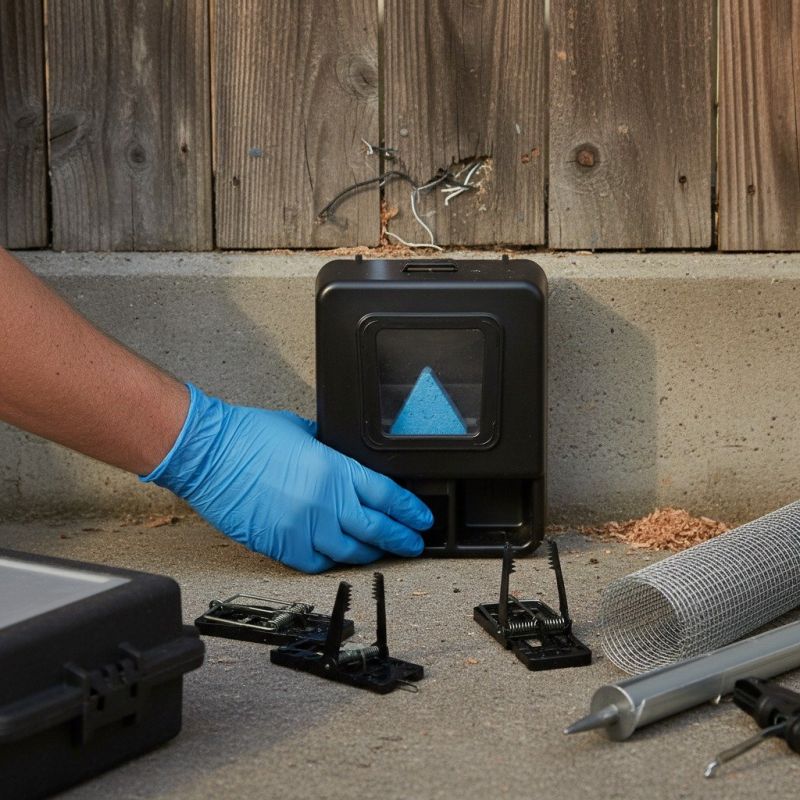
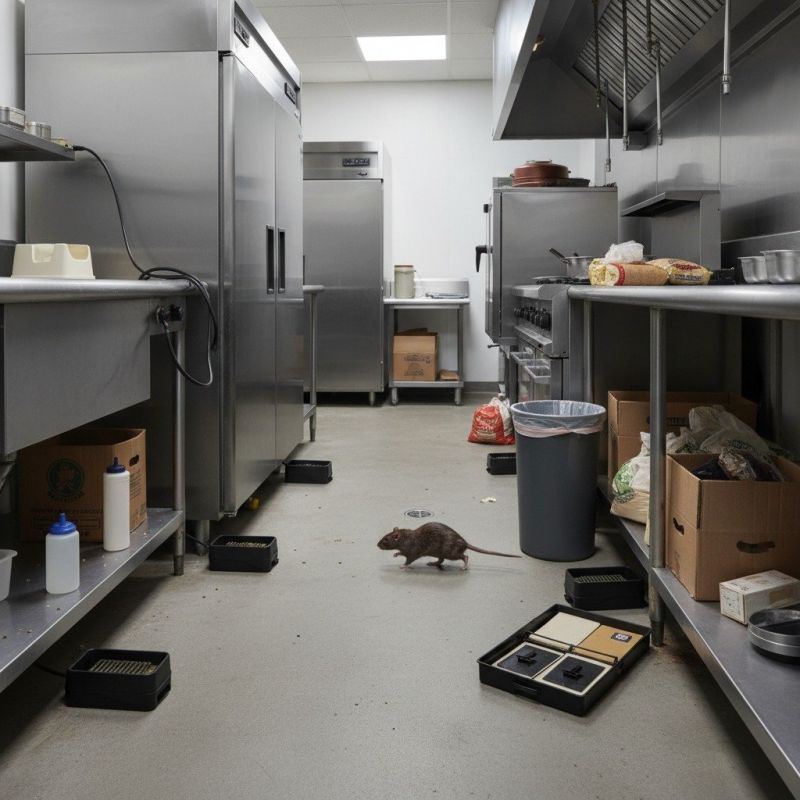
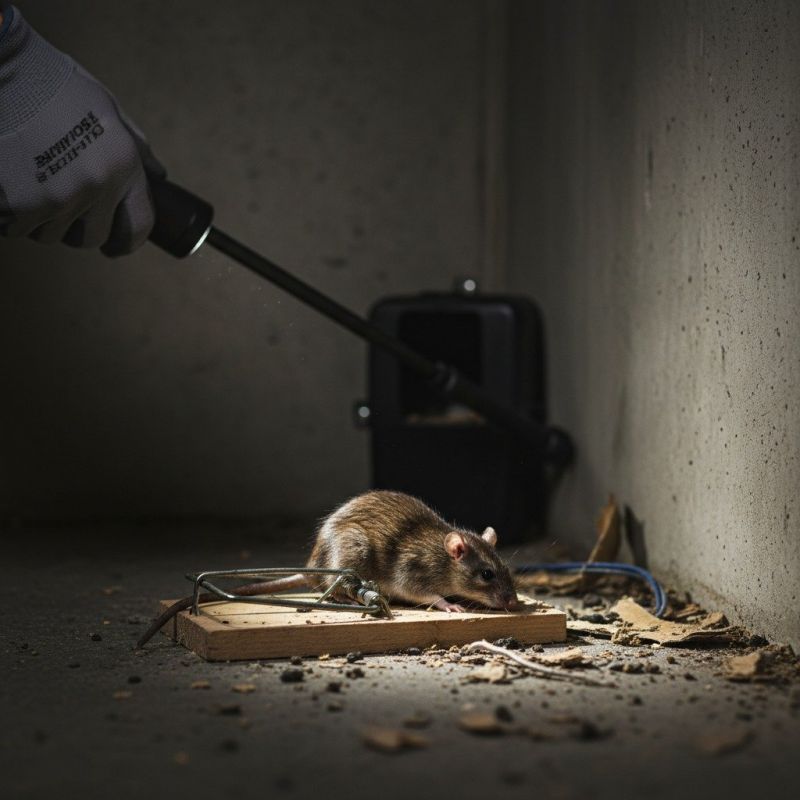
Understanding the common entry points rodents use to access properties is an essential step in preventing infestations. When homeowners search for this topic, they often want to identify how rodents like mice and rats are getting inside their homes or buildings. These pests can cause damage to structures, contaminate food supplies, and spread diseases. Recognizing the typical points of entry helps property owners develop effective plans to seal these access points, reducing the likelihood of future problems. Local pest control service providers can assist with inspections, pinpointing where rodents are entering, and advising on sealing strategies to block these entry routes.
Different types of properties are susceptible to rodent entry through various openings. Residential homes, especially older houses with gaps around windows, doors, or utility lines, are common targets. Commercial buildings, warehouses, and storage facilities with large openings or poorly maintained infrastructure also face risks. Even garages, sheds, and outbuildings can serve as entry points if not properly secured. Properties with landscaping that encourages rodents-such as dense shrubbery or debris-may also attract pests, which then find ways inside. Local contractors experienced in rodent exclusion can evaluate these properties, identify vulnerabilities, and implement measures to prevent rodents from gaining access.
The most frequently encountered entry points rodents use to access properties include gaps around doors and windows, holes in walls or foundations, and openings around utility lines or pipes. Small cracks and crevices in the foundation or siding are often overlooked but provide easy access for mice. Rats, being larger, typically require bigger openings, such as damaged vents, broken screens, or gaps in garage doors. Openings around sewer lines, vents, or chimneys are also common routes for rodents to enter buildings. Understanding these entry points helps homeowners prioritize repairs and sealing efforts, and local pest control professionals can assist in thoroughly inspecting and sealing these vulnerabilities to keep pests out.
Addressing common entry points is a key component of an effective rodent control plan. While sealing potential access routes can significantly reduce the chances of an infestation, it is often complemented by ongoing monitoring and trapping efforts. Local service providers can perform detailed inspections to locate hidden or overlooked entry points, and then recommend or carry out sealing work that is durable and resistant to future damage. By working with experienced professionals, homeowners can ensure that their properties are better protected against rodent intrusions, minimizing the risk of recurring problems. Proper identification and sealing of entry points form the foundation of a comprehensive approach to rodent prevention and control.
Home Inspection Projects - home inspectors assess properties for potential entry points rodents may use, which helps identify vulnerabilities that local contractors can address to prevent infestations.
Building Renovation Projects - renovation work often involves sealing gaps and openings, requiring skills similar to rodent entry point prevention that local service providers can perform effectively.
Gutter and Roof Repair - repairing or installing gutters and roofs involves identifying and sealing access points, aligning with the skills used in controlling rodent entry routes.
Foundation Repair Projects - foundation work includes inspecting and sealing cracks or openings that rodents might exploit, making it relevant to pest entry point management.
Attic Ventilation Projects - installing or repairing attic vents involves sealing potential entry points, similar to the steps taken in rodent exclusion efforts by local contractors.
Exterior Siding and Wall Projects - work on siding or wall repairs includes identifying and sealing gaps that serve as entry points for rodents, requiring comparable planning and skills.

When evaluating service providers for rodent pest control, it is important to consider their experience with similar projects, particularly those involving identifying and sealing common entry points rodents use to access properties. An experienced contractor will have a clear understanding of typical entry points such as gaps around utility lines, vents, or damaged building materials, and will be able to demonstrate a history of successfully addressing these issues. Reputable local contractors often provide references or examples of past work, allowing homeowners to gauge their expertise and reliability in handling rodent access prevention.
Clear written expectations are essential when comparing local pros for rodent pest control services. A detailed scope of work should outline the specific steps involved in inspecting for entry points, sealing or blocking these access points, and any follow-up measures. Homeowners should look for service providers who communicate their process transparently, ensuring there is a mutual understanding of what the job entails and what results to expect. This clarity helps prevent misunderstandings and ensures that both parties are aligned on the scope and goals of the project.
Good communication is a key factor when selecting a local contractor for rodent control. Service providers who are responsive, willing to answer questions, and provide thorough explanations demonstrate professionalism and a commitment to customer service. It is beneficial to choose a contractor who can clearly articulate the methods they use to identify and seal entry points, and who is open to discussing any concerns or additional recommendations. Effective communication ensures that homeowners are well-informed throughout the process and can make confident decisions about the work being performed.
Property owners often search for common entry points rodents use to access properties when they are planning practical projects around their homes and businesses. Local pros provide Rodent Pest Control services for everyday jobs and straightforward project options.

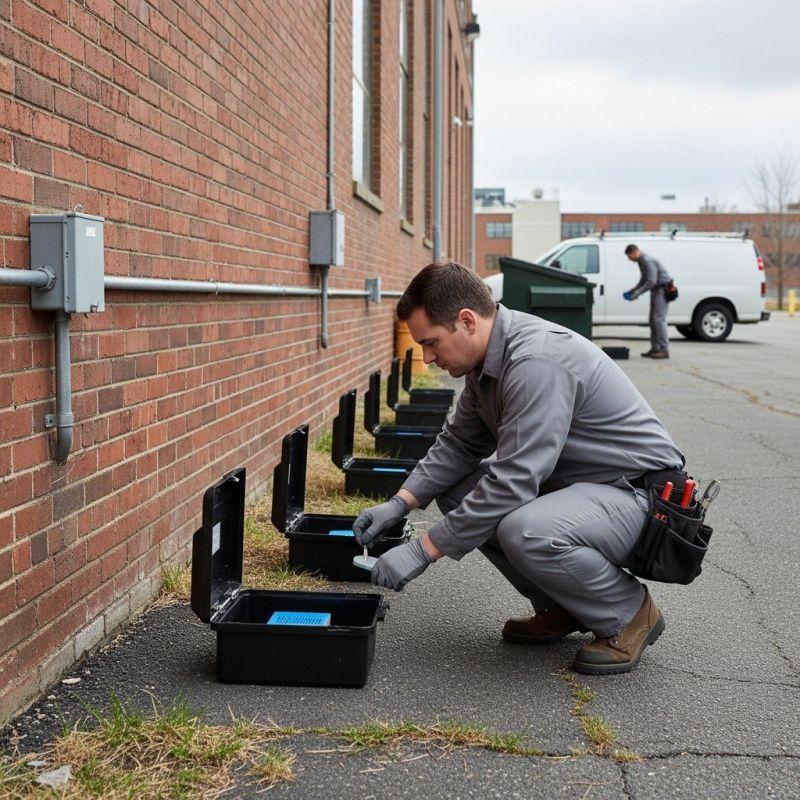
Understanding the common entry points rodents use to access properties is essential for homeowners dealing with pest issues. Small gaps around doors, windows, vents, and utility lines are often overlooked but serve as easy pathways for rodents seeking shelter and food. Additionally, openings in the foundation, gaps around pipes, and damaged screens can provide quick access into homes or businesses. Recognizing these vulnerabilities can help property owners identify potential problem areas before rodents become a significant nuisance, prompting them to seek assistance from local contractors experienced in rodent pest control.
Many property owners in the area turn to local service providers to address rodent entry points and prevent infestations. Professional pest control experts can conduct thorough inspections to pinpoint these common entry routes and recommend effective sealing or repair measures. By working with local contractors, property owners gain access to tailored solutions that help reduce the likelihood of rodents entering and establishing themselves inside. Connecting with experienced service providers ensures that entry points are properly addressed, supporting a comprehensive approach to rodent management and property protection.
What are common entry points rodents use to access properties? Rodents often enter buildings through small cracks, gaps around doors and windows, holes in walls, and openings around utility lines. Local contractors can identify and seal these entry points to prevent infestations.
How do rodents typically gain access through vents and chimneys? Rodents can climb and squeeze through damaged or improperly covered vents and chimneys. Local pest control service providers can install barriers or covers to block these access points effectively.
Are there specific areas where rodents commonly enter basements or crawl spaces? Yes, rodents frequently access basements or crawl spaces via gaps around basement windows, utility entry points, or foundation cracks. Local pros can inspect and secure these vulnerable areas to reduce entry risks.
Can trees or shrubs near a property serve as entry points for rodents? Absolutely, overhanging branches or shrubs touching the building can provide rodents with easy access to rooflines or upper levels. Local contractors can recommend trimming and barriers to prevent this.
What role do gaps around doors and windows play in rodent entry? Gaps and damaged weather stripping around doors and windows are common entry points. Local pest control experts can help identify and seal these openings to keep rodents out.
Inspect foundation and exterior walls - property owners can identify cracks or gaps that rodents may use to enter and work with local contractors to seal these openings.
Check utility entry points - areas around pipes, vents, and cables are common entry points that local pros can secure to prevent rodent access.
Examine doors, windows, and screens - ensuring these are properly fitted and undamaged helps block rodents from slipping inside, with local services providing necessary repairs.
Assess garage and basement access points - sealing gaps around garage doors and basement windows can reduce entry opportunities, with local experts assisting in proper sealing.
If you are thinking about common entry points rodents use to access properties for a property, this guide is meant to help you understand this topic, the typical project types, and how different options might fit your plans.
When you are ready, you can use the quote form on this page to share a few details about your project. From there, local pros can review the basics and follow up with options that match what you have in mind.